Skip to product information
1 of 4

6D TAPE® - Manual Therapy Tape with Manipulation Handles

6D TAPE® - Manual Therapy Tape with Manipulation Handles

Regular price 20,00€ EUR
Regular price Sale price 20,00€ EUR
Sale Sold out
Taxes included.
Quantity
View full details

6D TAPE

6D TAPE is a patented rehabilitation and therapy solution designed to accelerate healing.

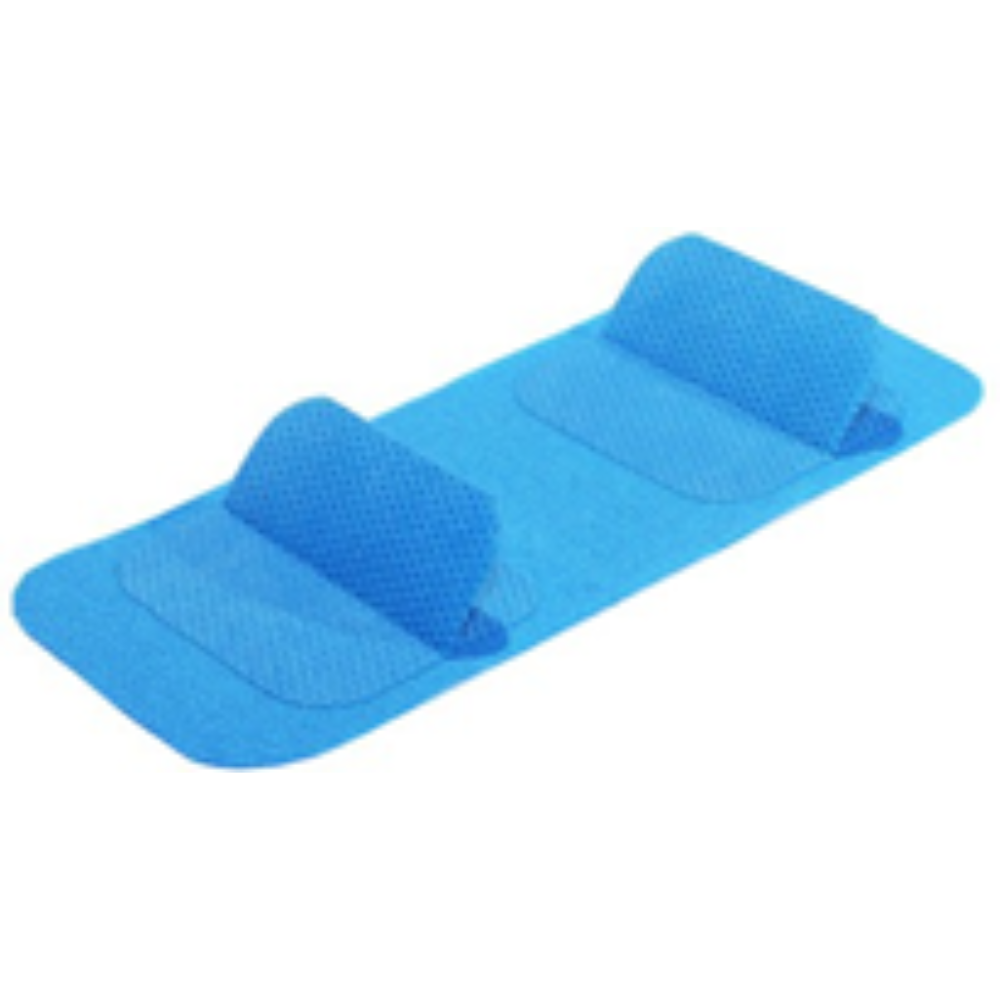
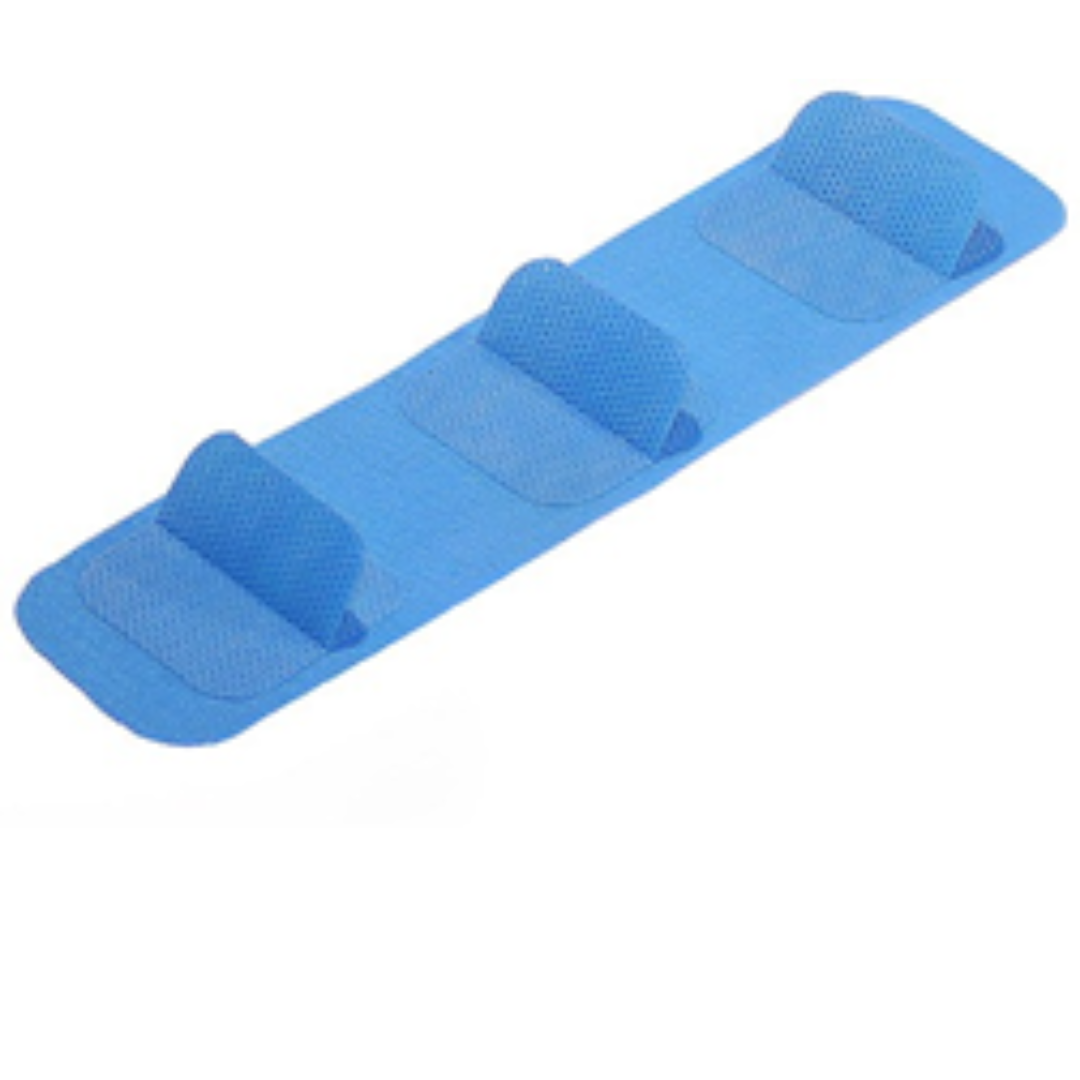
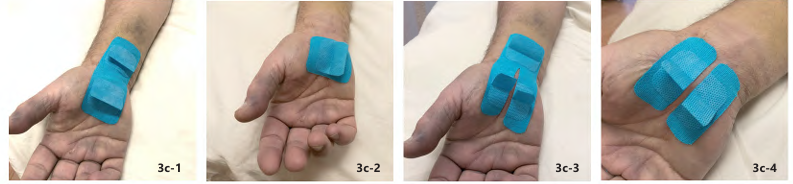
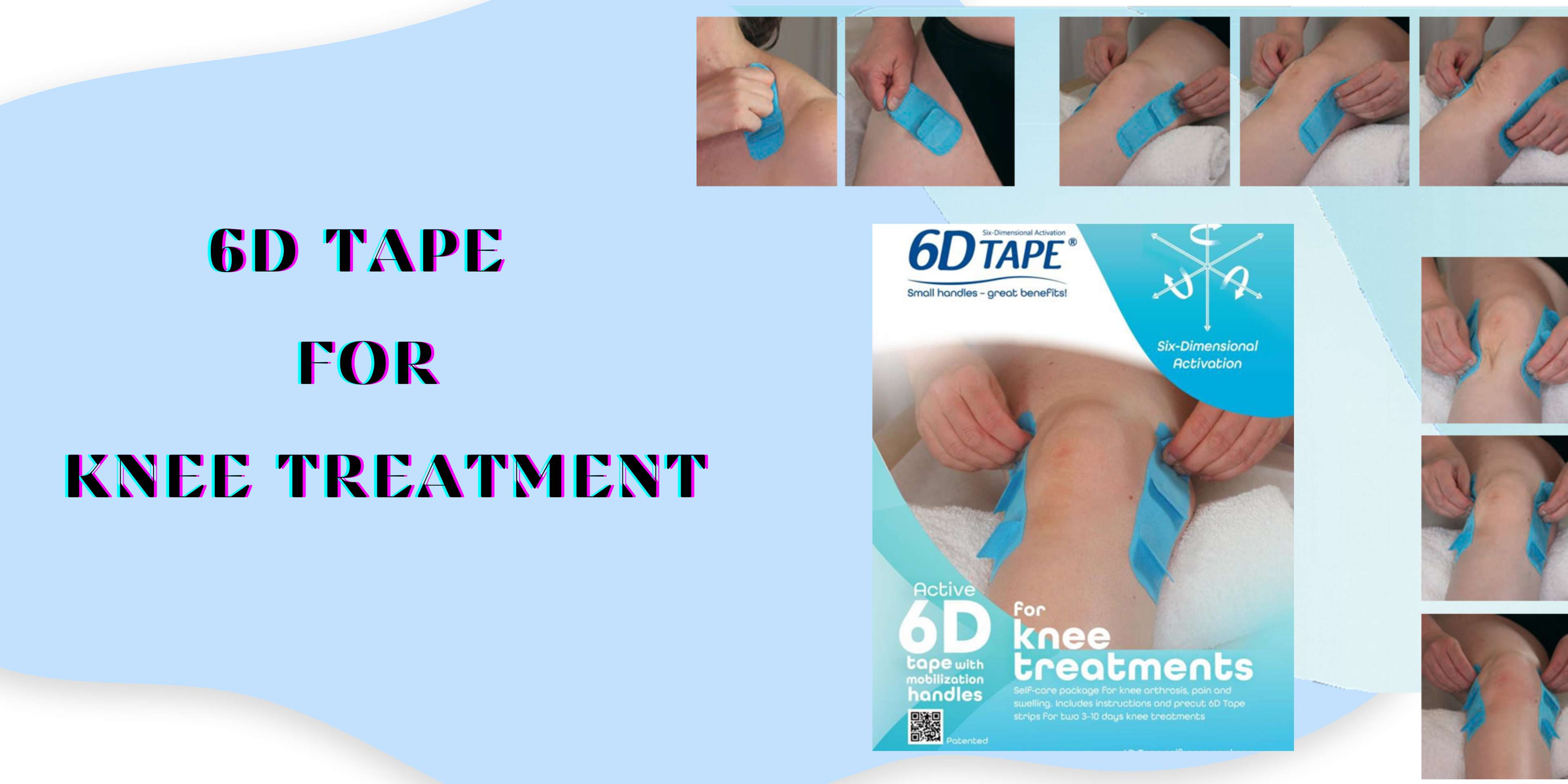
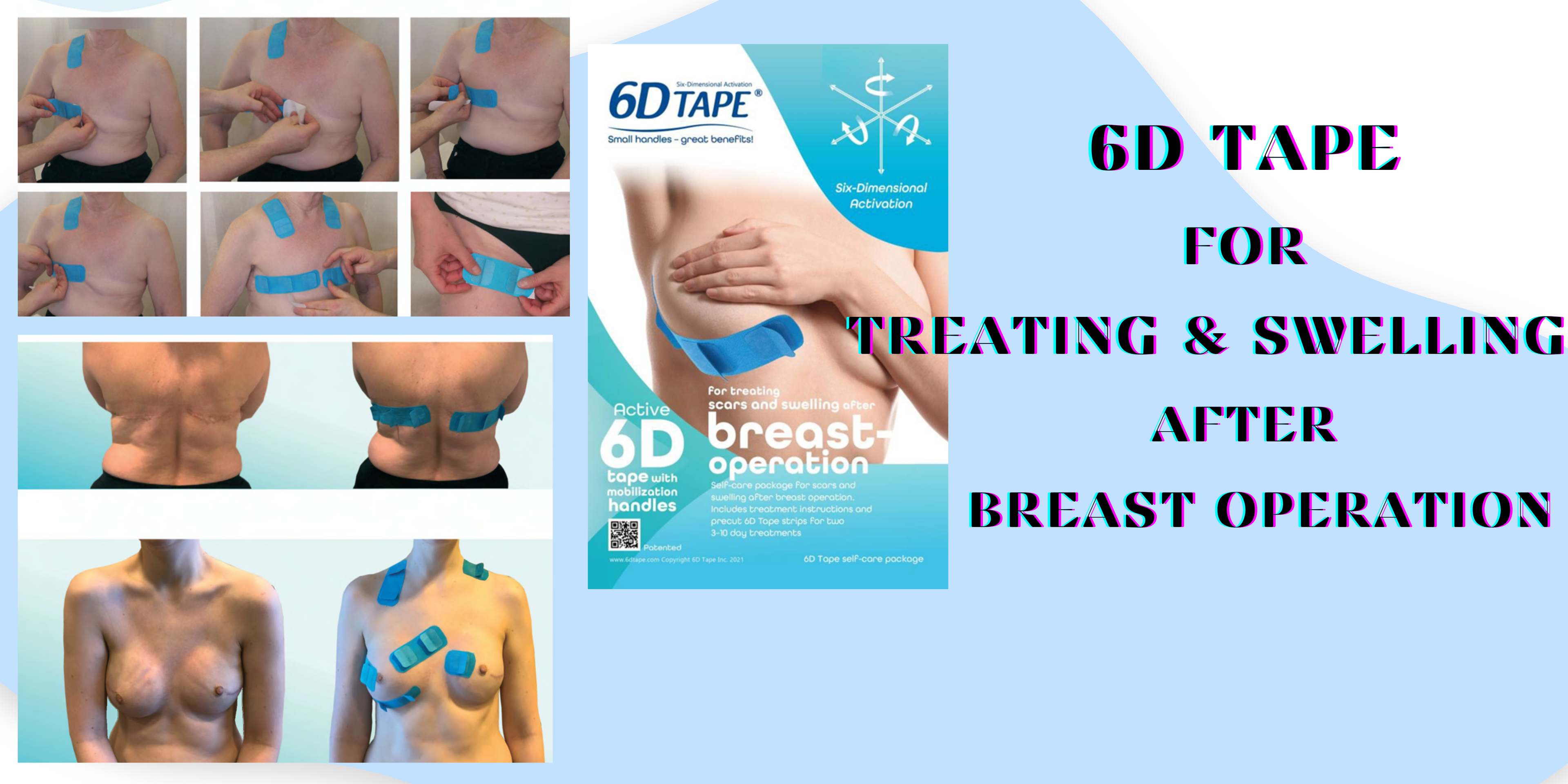
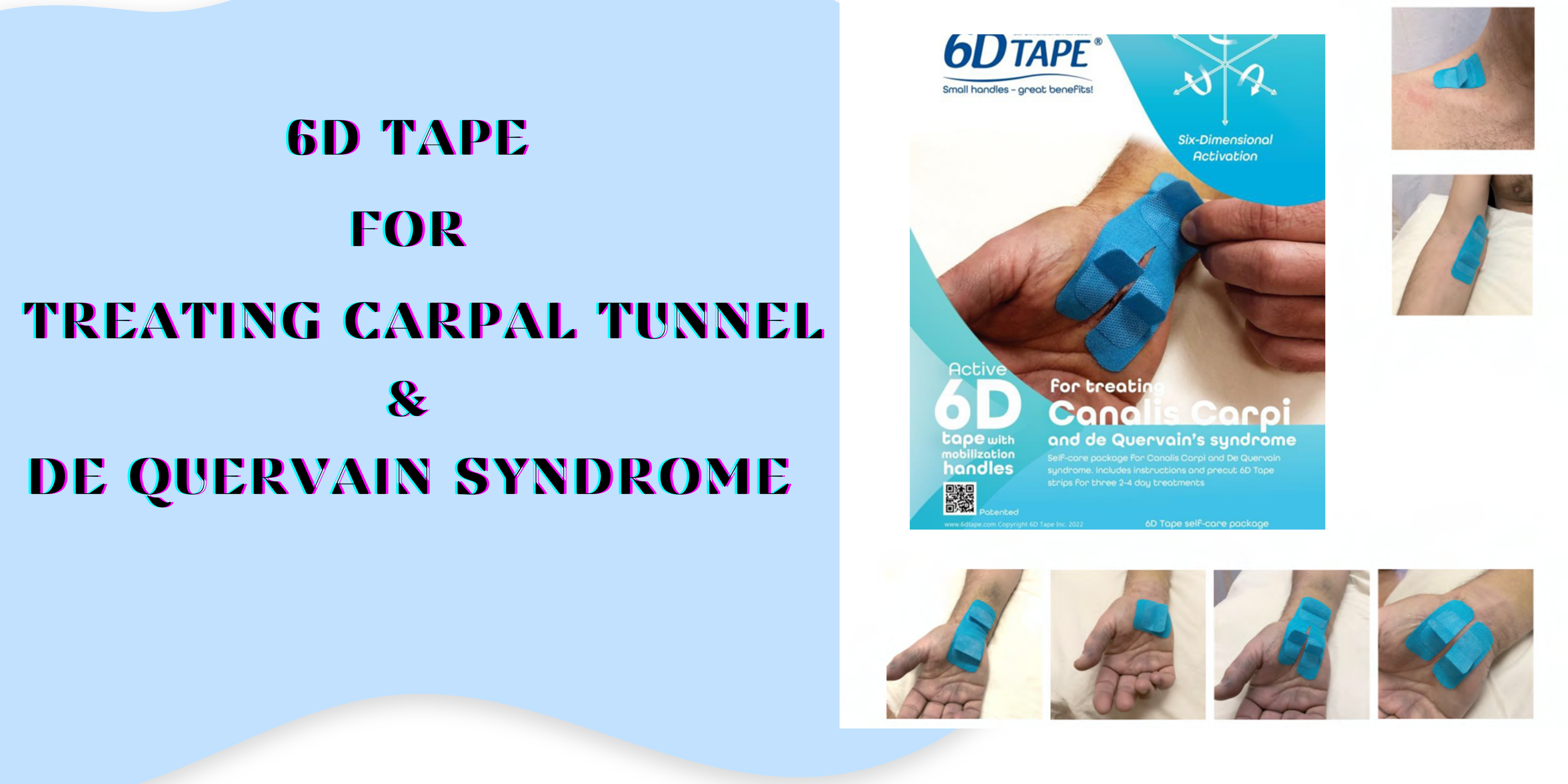
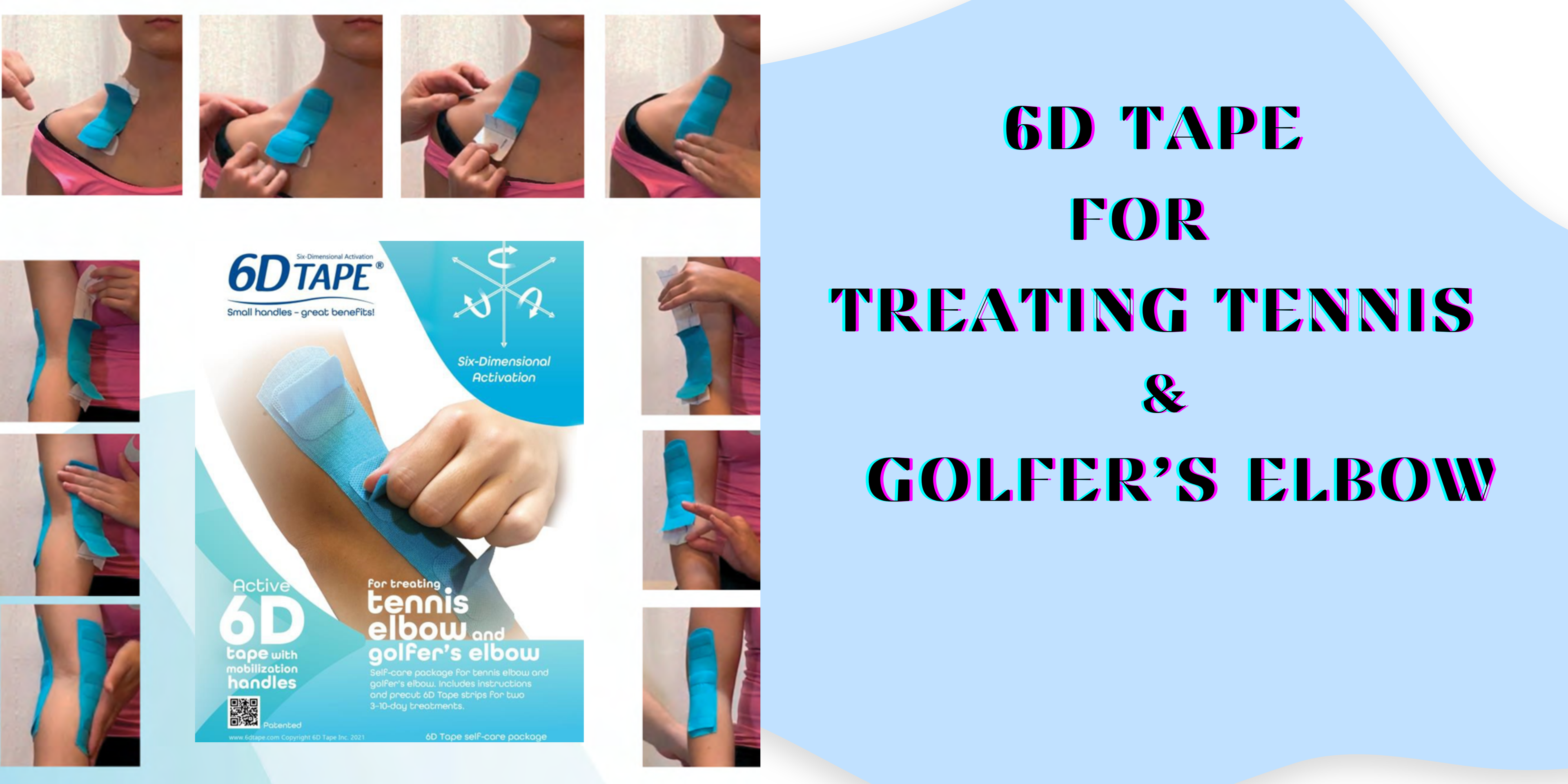
Active 6D Tape mobilization handles allow manipulation that stimulates lymph flow, wound healing, scar tissue, muscles and joints.

Unlike traditional tapes, it features unique six-directional movement, providing dynamic skin stimulation for improved recovery and functionality. Trusted by professionals worldwide, it addresses various conditions for physiotherapy, lymphatic drainage therapy and massage treatments as well as for self- care.

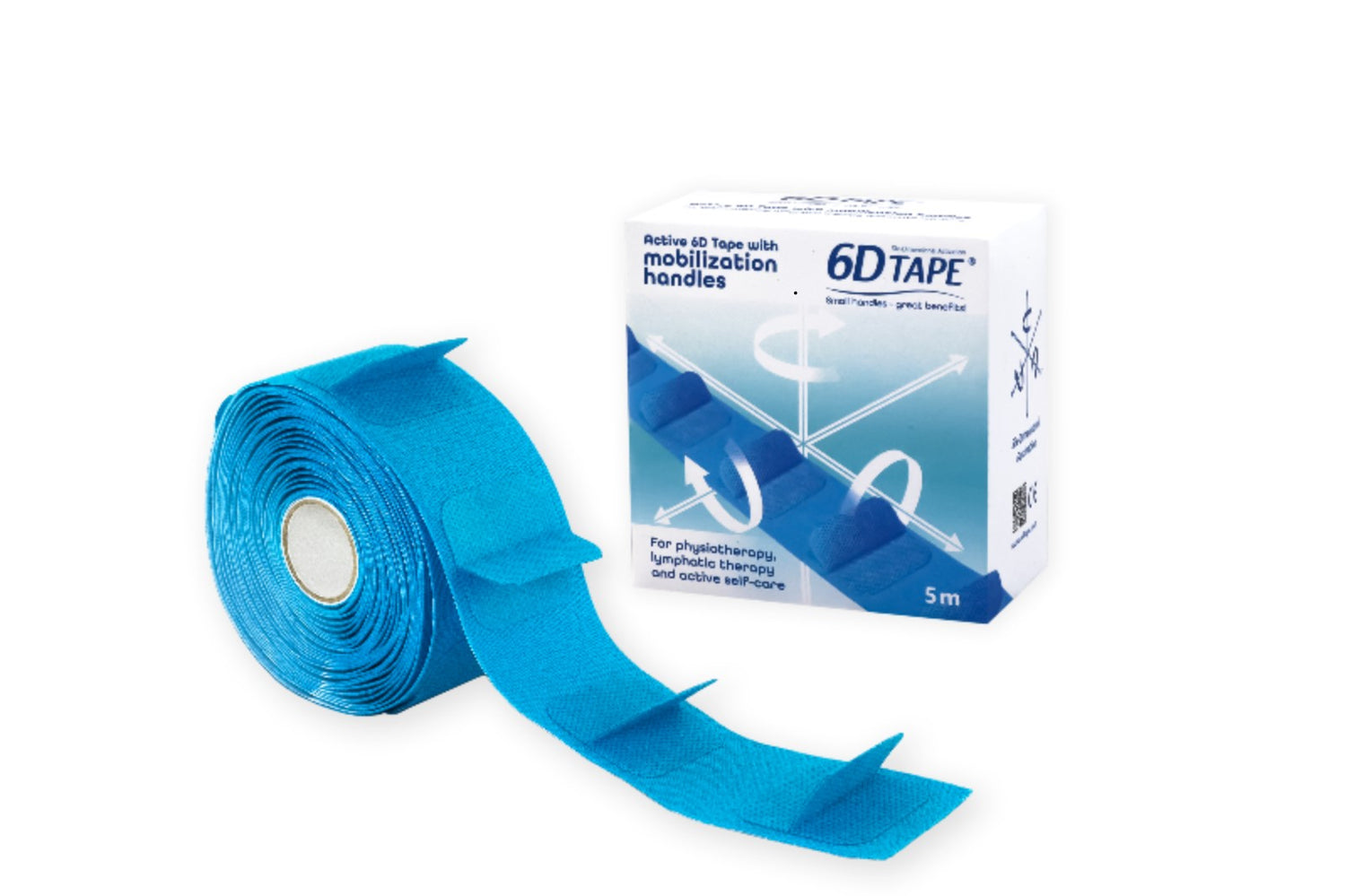
  • 6D Tape 5 m roll
  • Length 5 m
  • Width 48 mm
  • A product information leaflet is included in the package

INTRODUCTION TO 6D TAPE

How 6D Tape works for Edema, Swelling and Wounds

SUPRACLAVICULAR VEIN

Stimulation of the supraclavicular lymph nodes enhances lymph drainage in to the blood stream and generates an effect that increases lymphatic flow.

LYMPH NODE

Stimulating lymph nodes enhances lymphatic circulation and generates an effect that increases lymphatic flow.

COLLECTOR & PRE-COLLECTOR

6D Tape stimulates the lymphatic system's pre-collectors and collectors, activating and enhancing their natural pumping function. The activated pumping action persists for 3 to 4 hours post-activation.

INITIAL LYMPHIC

The 6D Tape therapy technique facilitates the widening of endothelial gaps through the manipulation of anchoring filaments, allowing proteins and excess fluid from the interstitial space to be more effectively absorbed by the lymphatic capillaries.

ANCHORING FILAMENT

Endothelial gaps in the initial lymphic become wide open by pulling the anchoring filaments with 6D Tape.

INTERSTITIAL SPACE

Proteins and molecules in the interstitial space osmotically attract water, increasing in size and causing swelling. Due to their enlarged state, they cannot pass through the fine endothelial openings into the lymphatic capillaries, leading to swelling or
edema.

The difference in grip between 6D Tape and Kinesiology Tape

The 6-Dimensional Mechanical Action

The 6D Tape is engineered to go beyond the "gate control" theory of traditional kinesiology tape. By utilizing the integrated handles, a clinician can engage in Active Tissue Manipulation (ATM). This creates a mechanical stimulus that penetrates through the epidermis and dermis into the hypodermis and deep fascia.

1. Vertical Action: Decompression(Z-Axis)

  • Mechanism:

By gripping the handles and lifting vertically, the tape creates a localized vacuum effect. This lifts the skin and superficial fascia away from the underlying muscle and bone.

  • Physiological Impact:

Nociceptor Relief: It reduces the mechanical compression on nociceptors (pain receptors), providing immediate analgesic effects.

Interstitial Space Expansion: Widening this space reduces interstitial fluid pressure, which is the primary cause of the "heavy" feeling in swollen limbs.

Vascular Flow: It creates a "suction" that encourages fresh, oxygenated blood to enter the capillary beds.

2. Horizontal Action: Shearing (X and YAxes)

  • Mechanism:

Moving the handles in a back-and-forth or side-to-side "shearing" motion.

  • Physiological Impact:

Adhesion Lysis: Chronic inflammation or inactivity causes fascia layers to "glue" together via cross-links. Shearing forces break these micro adhesions without the trauma of deep-tissue friction.

Fascial Gliding: It restores the independent movement of muscle groups. When fascia glides smoothly, the energy cost of movement decreases, enhancing athletic efficiency.

Mechanoreceptor Stimulation: This motion activates Ruffini endings and Meissner’s corpuscles, which help reset the body's proprioception (spatial awareness).

3. Rotational Action: Torsion (Clockwise& Counter-clockwise)

  • Mechanism:

A twisting motion applied through the handles that creates a "vortex" of tension in the tissue.

  • Physiological Impact:

Hyaluronic Acid (HA) Optimization:HA is the primary lubricant between fascial layers. In injured or stagnant tissue, HA becomes "gel-like" (high viscosity) and sticky. Torsional manipulation creates a thixotropic effect, turning the HA back into a "fluid" state (low viscosity).

Joint Lubrication: By thinning the HA, joints move with less internal friction, which is vital for patients with stiffness or osteoarthritis.

Collagen Realignment: Torsion helps align collagen fibers in a functional direction during the remodellingg phase of a scar.

6D Tape Demonstration

1 of 4

COMPREHENSIVE 6D TAPE VIDEO TRAINING