Zu Produktinformationen springen
1 von 4

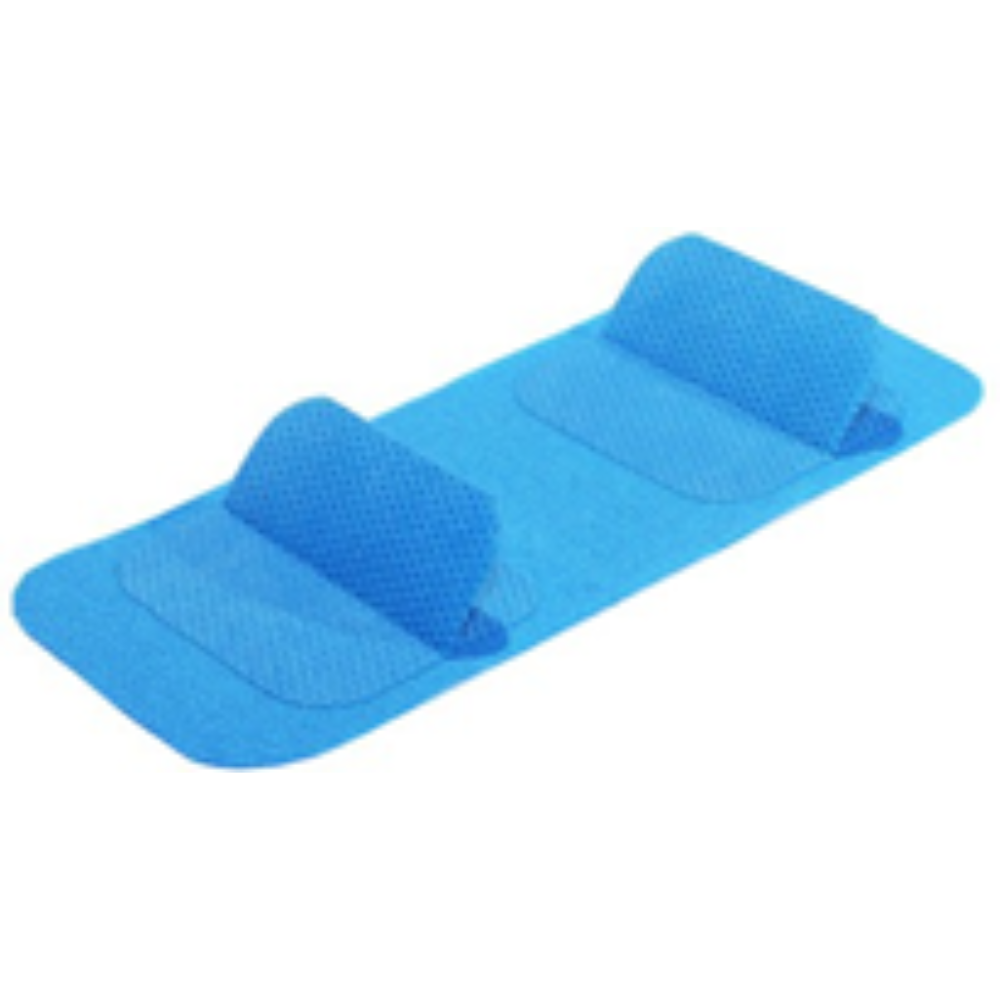
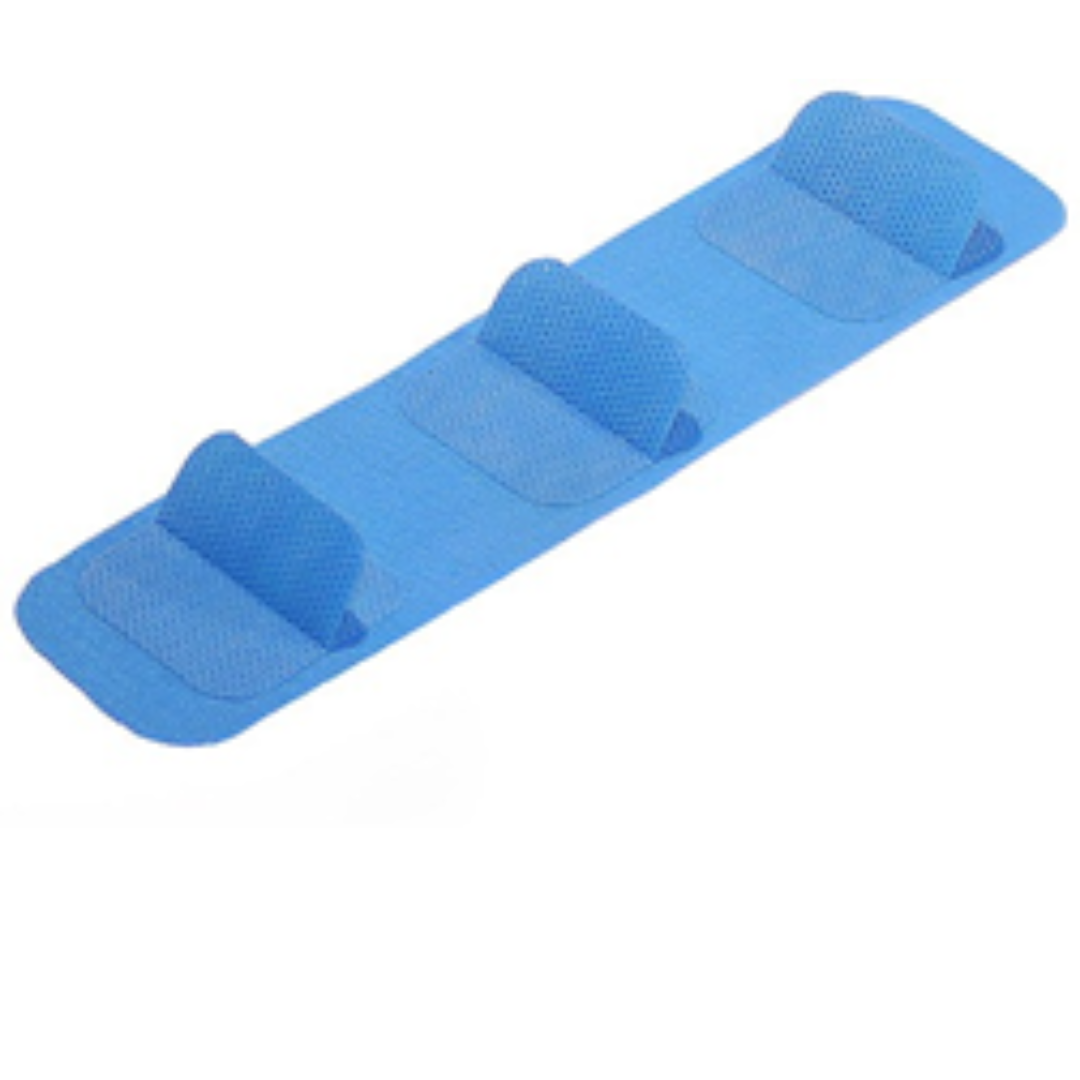
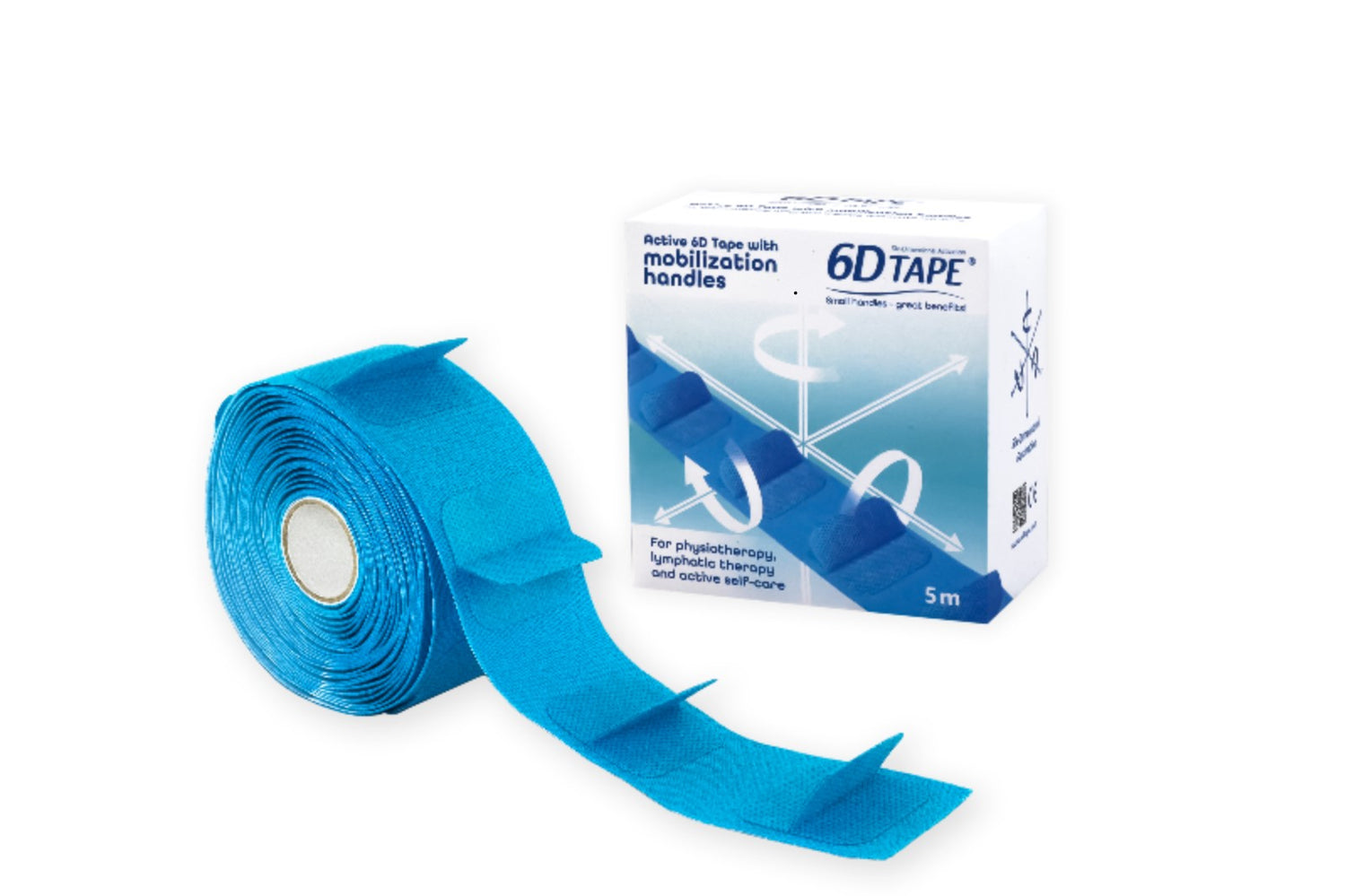
6D TAPE® - Therapie-Tape mit Mobilisierungsgriffen

6D TAPE® - Therapie-Tape mit Mobilisierungsgriffen

Normaler Preis 20,00€ EUR
Normaler Preis Verkaufspreis 20,00€ EUR
Sale Ausverkauft
Inkl. Steuern.
Anzahl
Vollständige Details anzeigen

6D-BAND

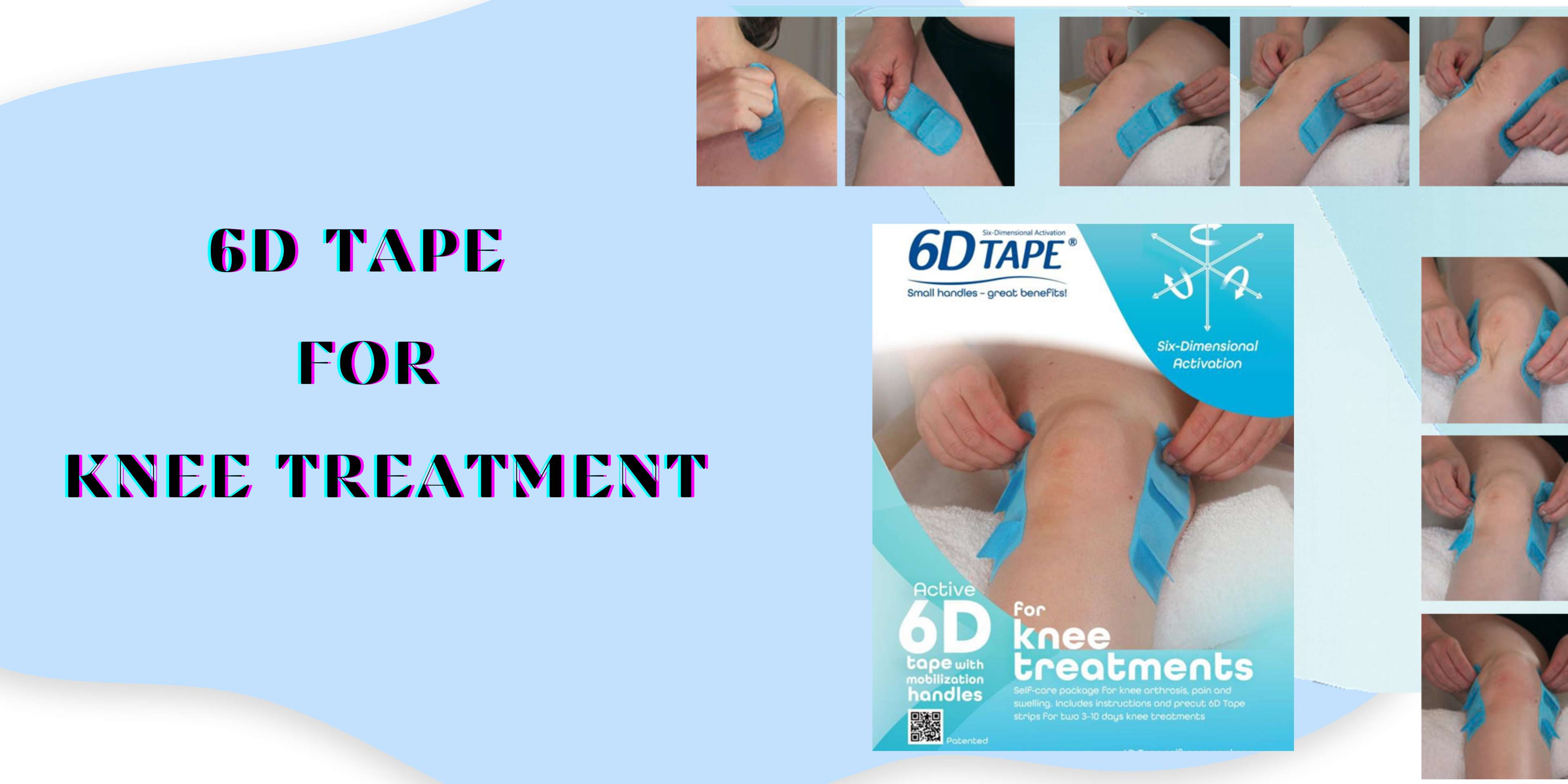
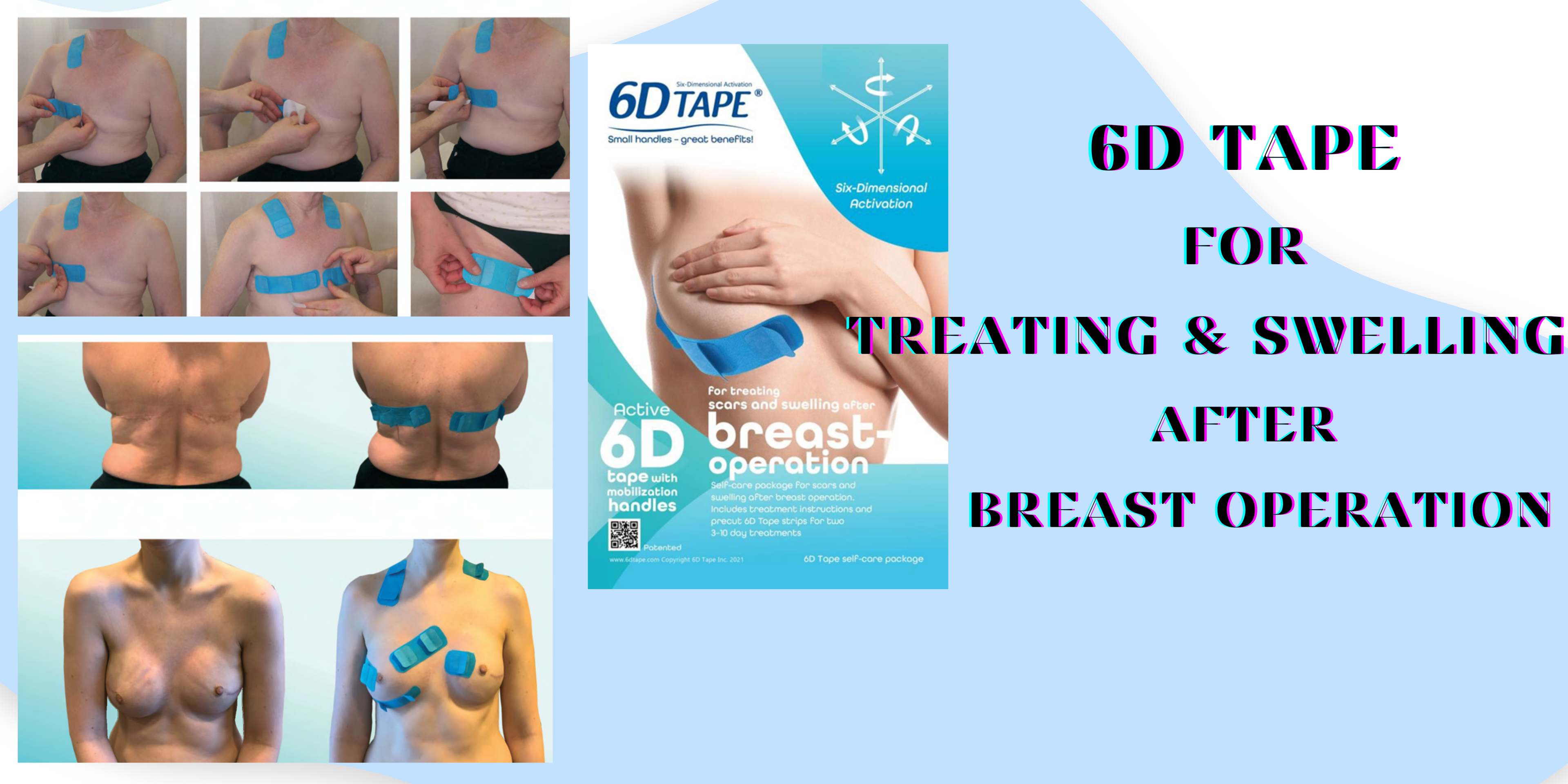
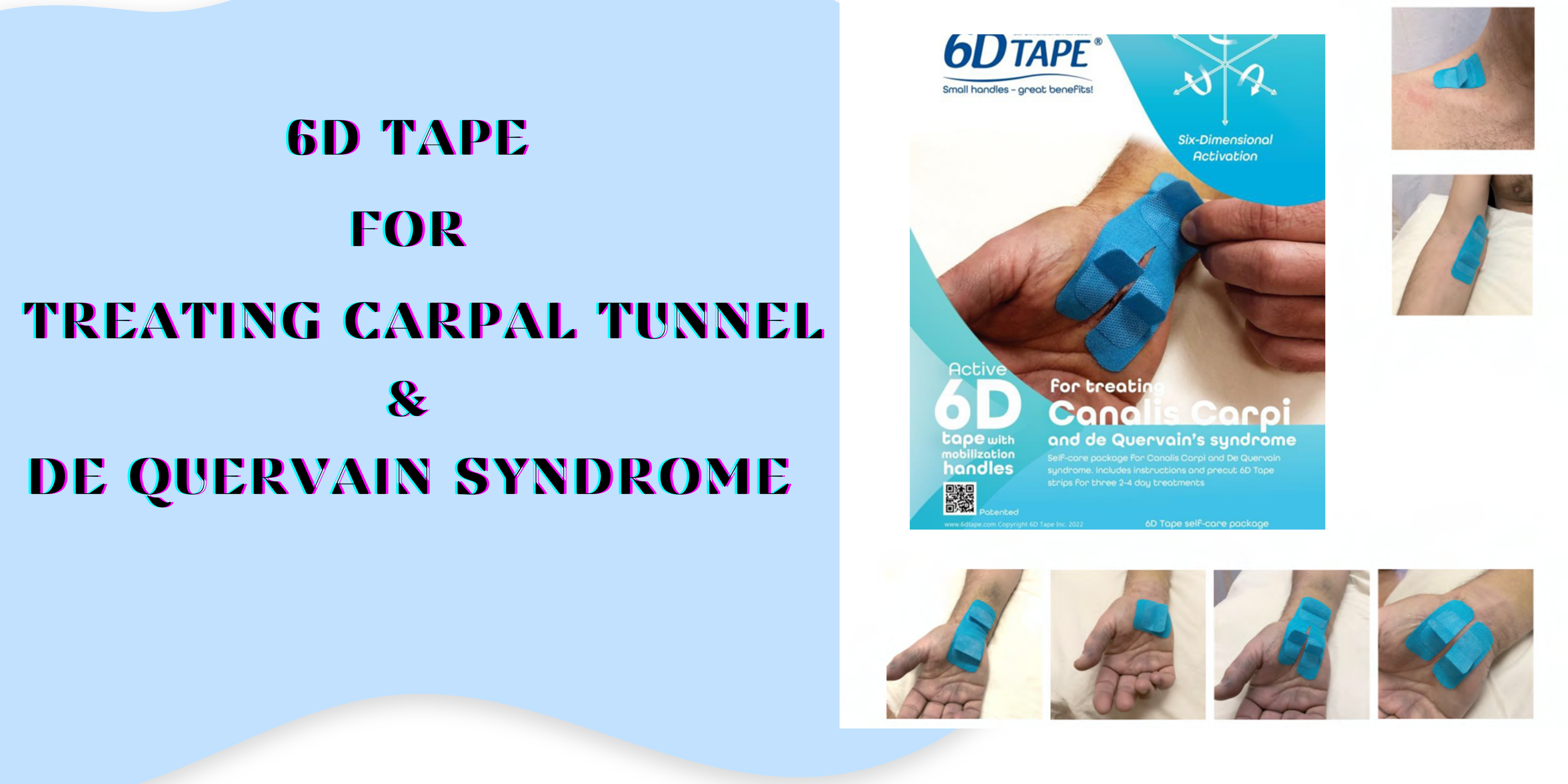
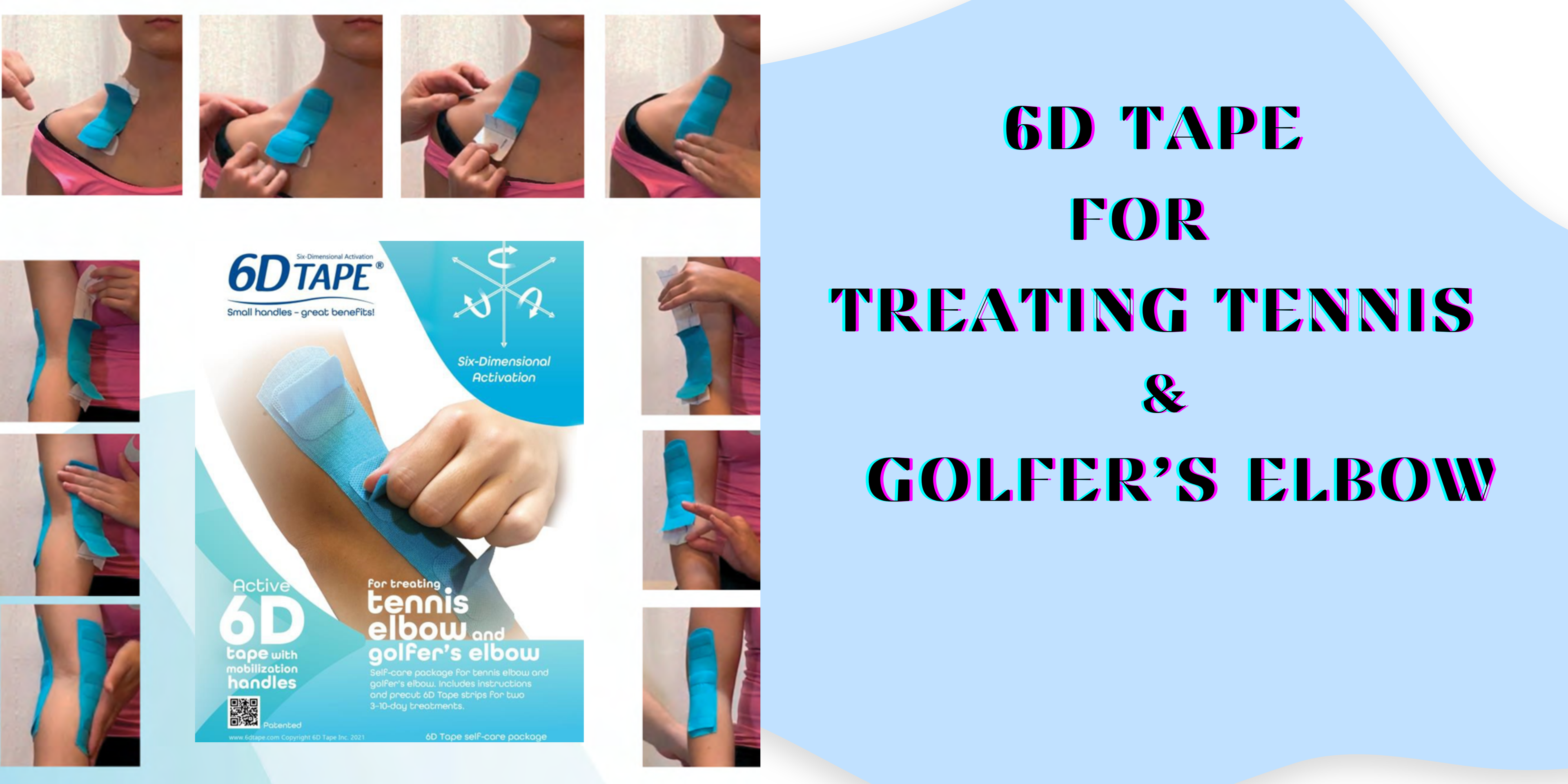
6D TAPE ist eine patentierte Rehabilitations- und Therapielösung zur Beschleunigung der Heilung.

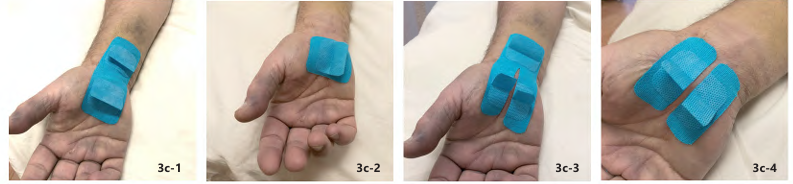
Aktive 6D-Tape-Mobilisierungsgriffe ermöglichen eine Manipulation, die den Lymphfluss, die Wundheilung, das Narbengewebe, die Muskeln und die Gelenke stimuliert.

Im Gegensatz zu herkömmlichen Tapes verfügt es über eine einzigartige Bewegung in sechs Richtungen und sorgt so für eine dynamische Hautstimulation zur verbesserten Regeneration und Funktionalität. Es wird von Fachleuten weltweit geschätzt und eignet sich für verschiedene Beschwerden in der Physiotherapie, Lymphdrainage und Massagebehandlungen sowie zur Selbstpflege.

  • 6D Tape 5 m roll
  • Length 5 m
  • Width 48 mm
  • A product information leaflet is included in the package

EINFÜHRUNG IN 6D-TAPE

So wirkt 6D Tape bei Ödemen, Schwellungen und Wunden

VENE SUPRACLAVICULAR

Die Stimulation der supraklavikulären Lymphknoten verbessert den Lymphabfluss in den Blutkreislauf und erzeugt einen Effekt, der den Lymphfluss erhöht.

LYMPHKNOTEN

Durch die Stimulation der Lymphknoten wird die Lymphzirkulation verbessert und ein Effekt erzeugt, der den Lymphfluss steigert.

SAMMLER & VORSAMMLER

6D Tape stimuliert die Vor- und Sammler des Lymphsystems und aktiviert und verbessert deren natürliche Pumpfunktion. Die aktivierte Pumpwirkung hält 3 bis 4 Stunden nach der Aktivierung an.

LYMPHISCHE ANFÄNGLICHE

Die 6D-Tape-Therapietechnik erleichtert die Erweiterung der Endothellücken durch die Manipulation von Verankerungsfilamenten, wodurch Proteine ​​und überschüssige Flüssigkeit aus dem Interstitiumraum effektiver von den Lymphkapillaren absorbiert werden können.

Verankerungsfilament

Endothellücken im initialen Lymphgefäß werden durch das Ziehen der Verankerungsfilamente mit 6D Tape weit geöffnet.

Zwischenraum

Proteine ​​und Moleküle im Interstitium ziehen osmotisch Wasser an, vergrößern sich und verursachen Schwellungen. Aufgrund ihrer Vergrößerung können sie nicht durch die feinen Endothelöffnungen in die Lymphkapillaren gelangen, was zu Schwellungen oder
Ödem.

The difference in grip between 6D Tape and Kinesiology Tape

The 6-Dimensional Mechanical Action

The 6D Tape is engineered to go beyond the "gate control" theory of traditional kinesiology tape. By utilizing the integrated handles, a clinician can engage in Active Tissue Manipulation (ATM). This creates a mechanical stimulus that penetrates through the epidermis and dermis into the hypodermis and deep fascia.

1. Vertical Action: Decompression(Z-Axis)

  • Mechanism:

By gripping the handles and lifting vertically, the tape creates a localized vacuum effect. This lifts the skin and superficial fascia away from the underlying muscle and bone.

  • Physiological Impact:

Nociceptor Relief: It reduces the mechanical compression on nociceptors (pain receptors), providing immediate analgesic effects.

Interstitial Space Expansion: Widening this space reduces interstitial fluid pressure, which is the primary cause of the "heavy" feeling in swollen limbs.

Vascular Flow: It creates a "suction" that encourages fresh, oxygenated blood to enter the capillary beds.

2. Horizontal Action: Shearing (X and YAxes)

  • Mechanism:

Moving the handles in a back-and-forth or side-to-side "shearing" motion.

  • Physiological Impact:

Adhesion Lysis: Chronic inflammation or inactivity causes fascia layers to "glue" together via cross-links. Shearing forces break these micro adhesions without the trauma of deep-tissue friction.

Fascial Gliding: It restores the independent movement of muscle groups. When fascia glides smoothly, the energy cost of movement decreases, enhancing athletic efficiency.

Mechanoreceptor Stimulation: This motion activates Ruffini endings and Meissner’s corpuscles, which help reset the body's proprioception (spatial awareness).

3. Rotational Action: Torsion (Clockwise& Counter-clockwise)

  • Mechanism:

A twisting motion applied through the handles that creates a "vortex" of tension in the tissue.

  • Physiological Impact:

Hyaluronic Acid (HA) Optimization:HA is the primary lubricant between fascial layers. In injured or stagnant tissue, HA becomes "gel-like" (high viscosity) and sticky. Torsional manipulation creates a thixotropic effect, turning the HA back into a "fluid" state (low viscosity).

Joint Lubrication: By thinning the HA, joints move with less internal friction, which is vital for patients with stiffness or osteoarthritis.

Collagen Realignment: Torsion helps align collagen fibers in a functional direction during the remodellingg phase of a scar.

6D Tape Demonstration

1 von 4

UMFASSENDES 6D-TAPE-VIDEOTRAINING (1-stündiges YouTube-Video)