6D Tape® | Vendaje Terapéutico con Asas de Movilización
No se pudo cargar la disponibilidad de retiro
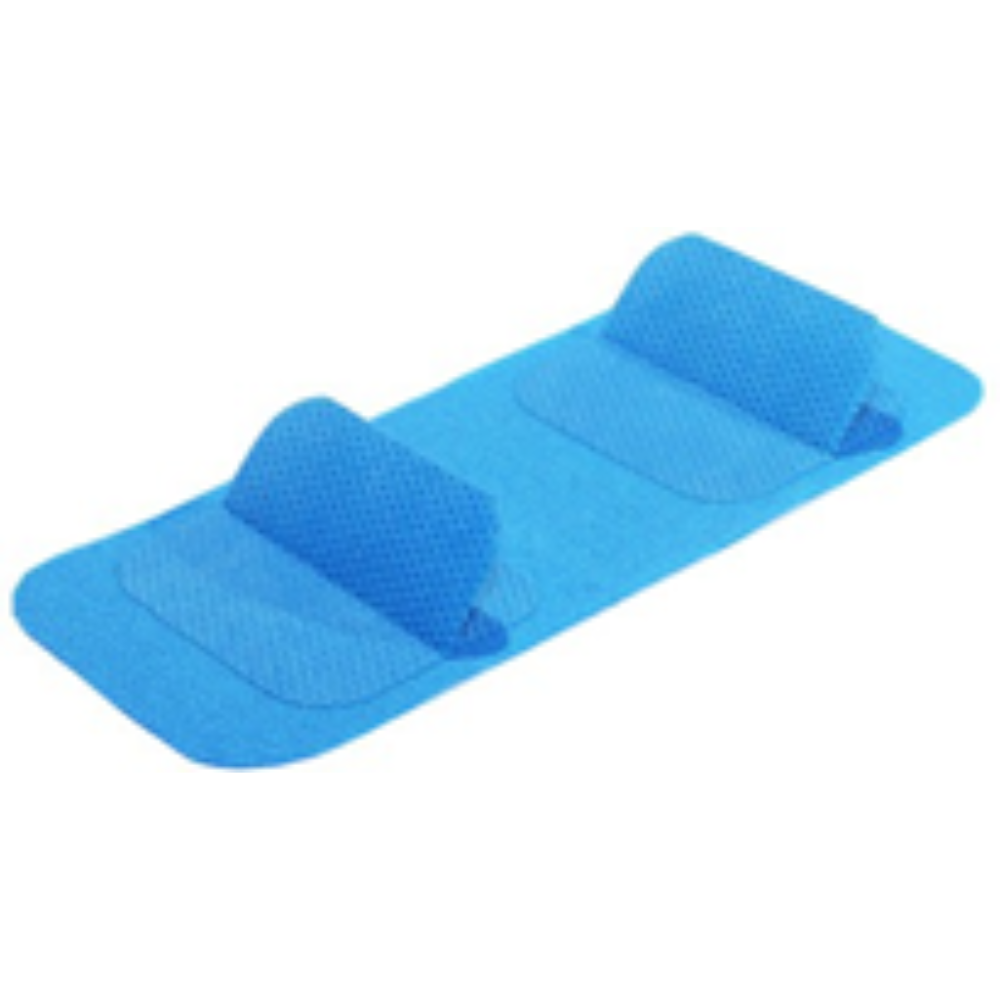
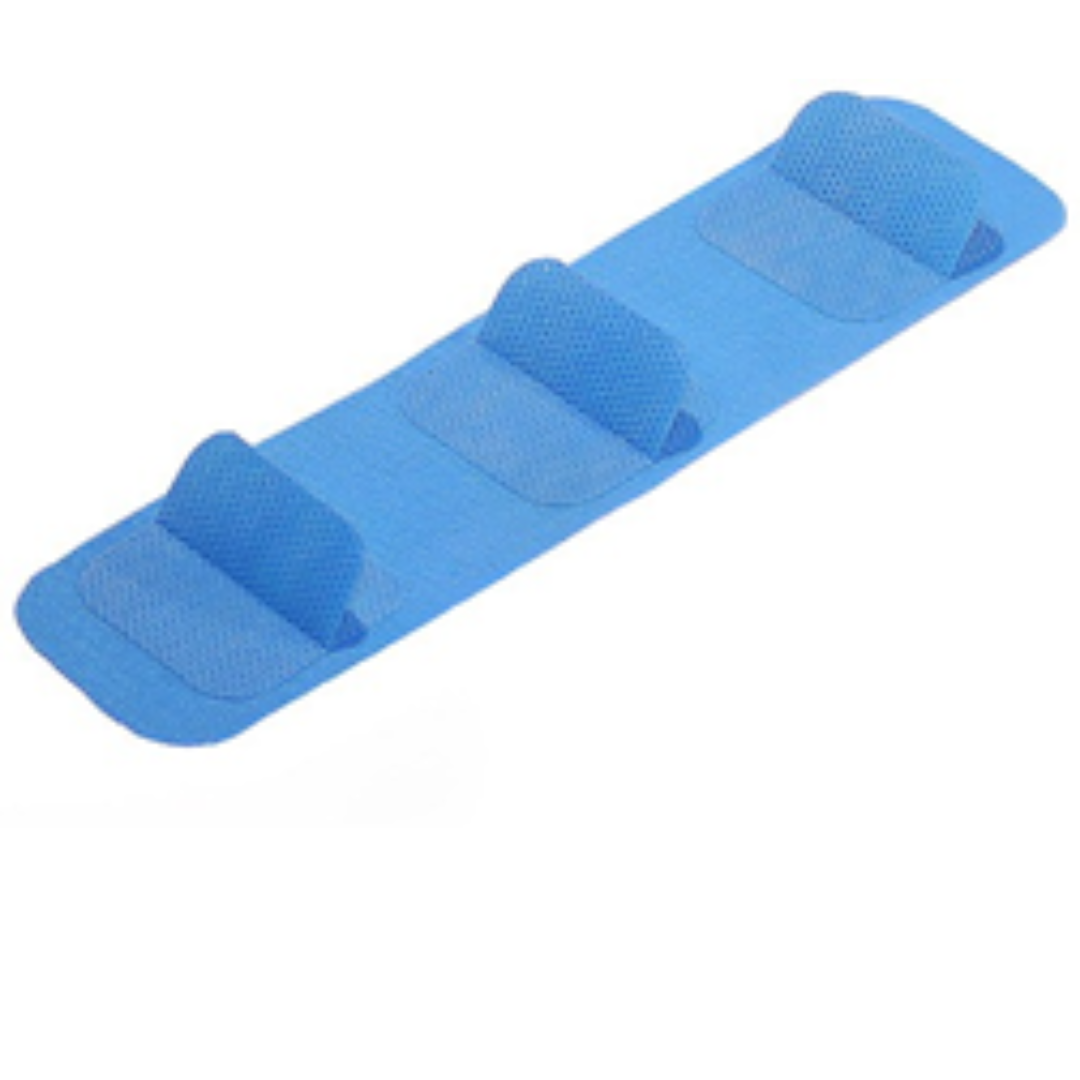
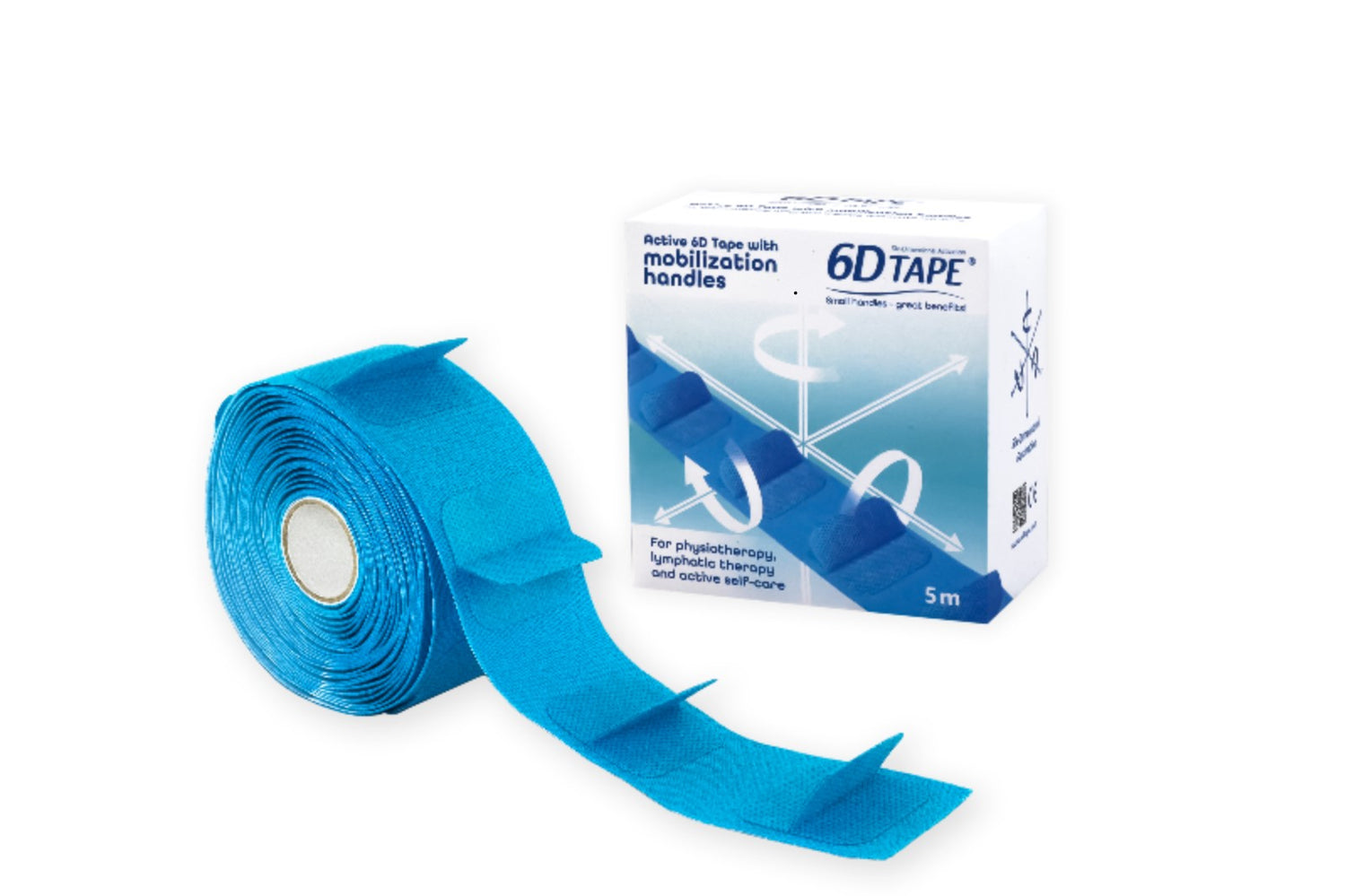
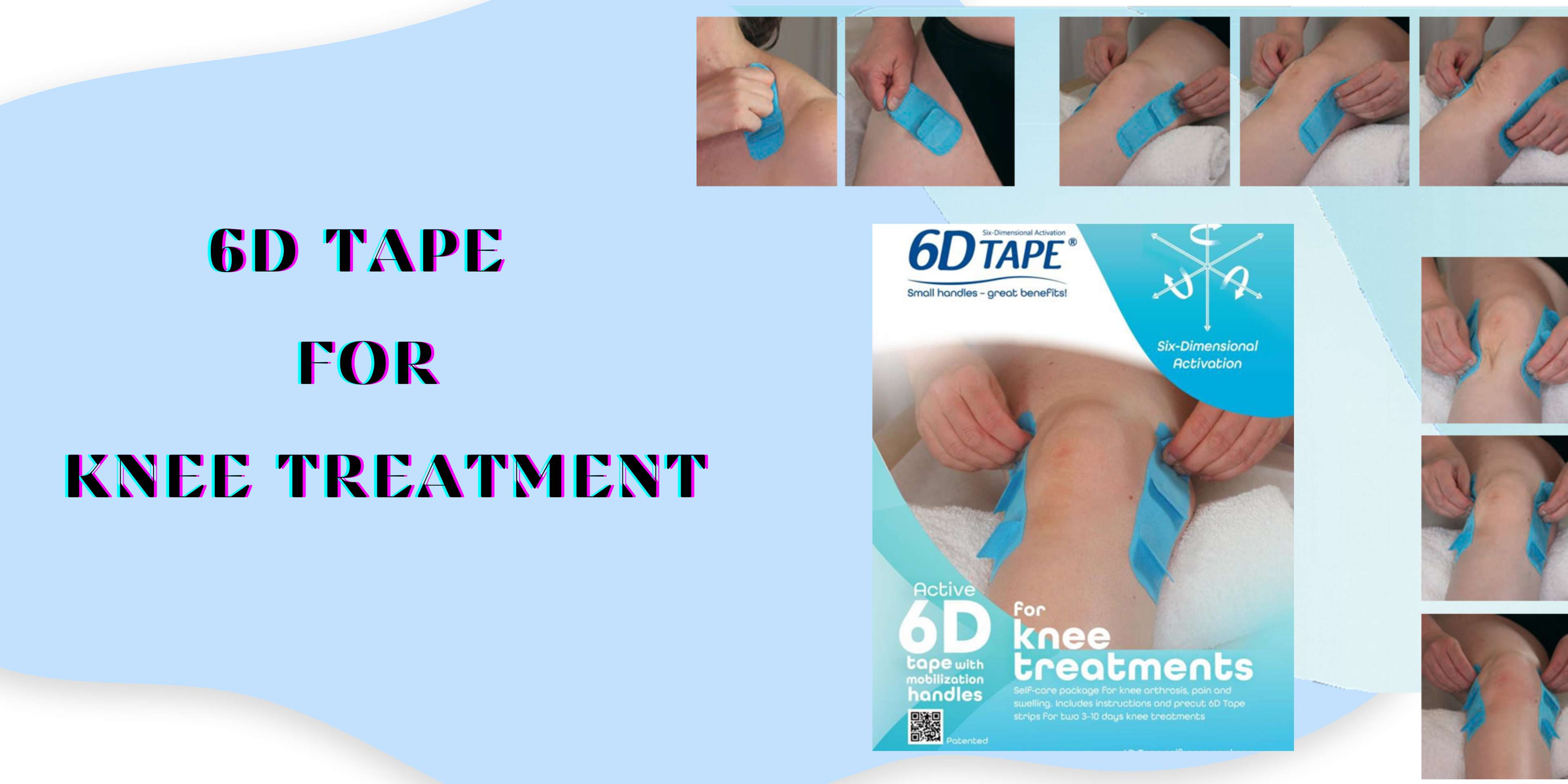
6D Tape® es el primer vendaje terapéutico patentado del mundo con asas de activación integradas, diseñado para transformar el vendaje neuromuscular tradicional en una herramienta avanzada de terapia manual y movilización tisular.
Mientras que el kinesiology tape convencional únicamente eleva la piel de forma pasiva, 6D Tape® permite que fisioterapeutas y pacientes movilicen activamente los tejidos en seis direcciones:
• Arriba
• Abajo
• Izquierda
• Derecha
• Elevación
• Torsión
Esta tecnología favorece:
• Acceso profundo a las fascias
• Activación del drenaje linfático
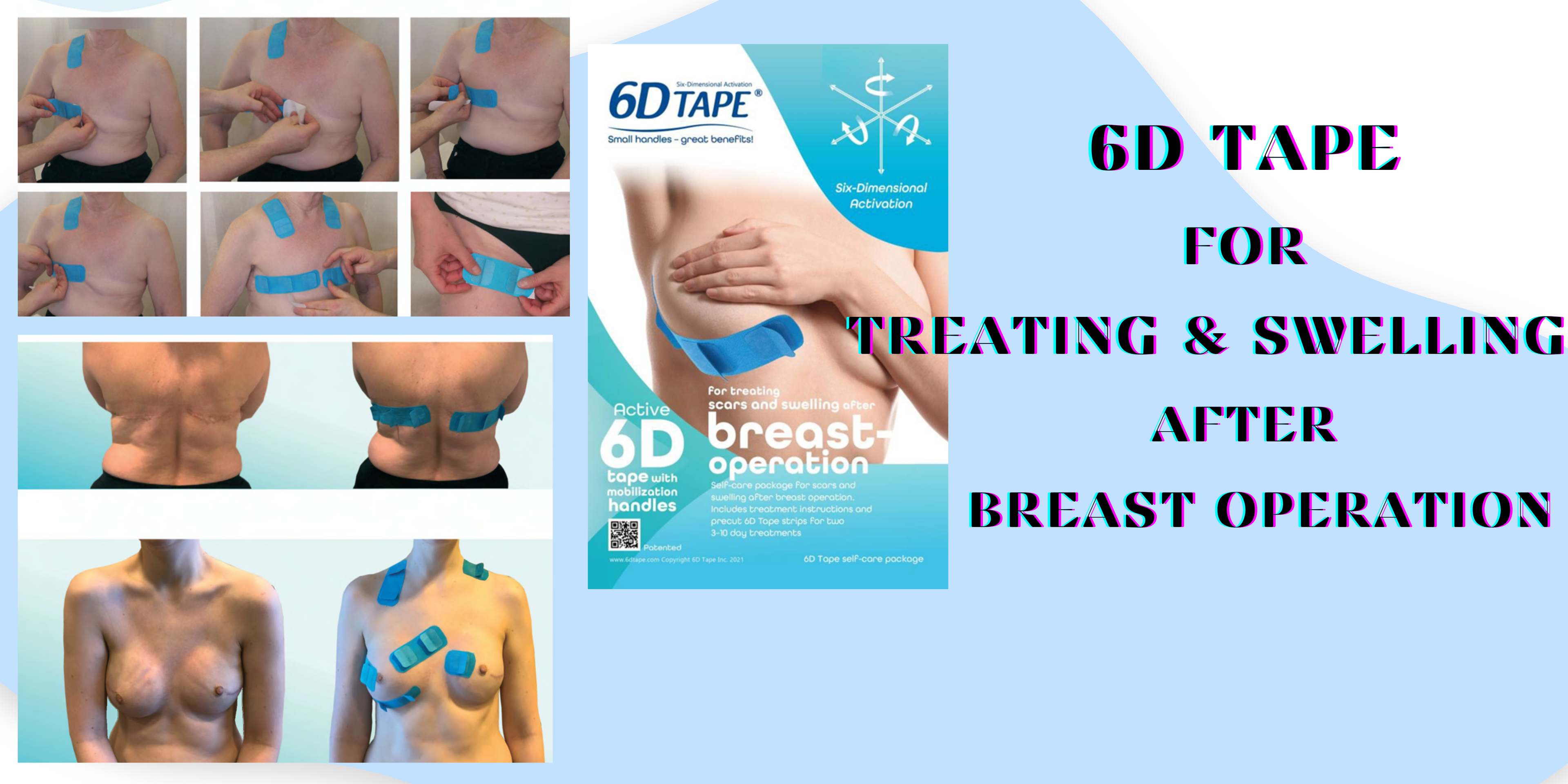
• Tratamiento y remodelación de cicatrices
• Liberación y descompresión nerviosa
• Recuperación muscular y deportiva
Todo ello en un dispositivo portátil y no invasivo que continúa actuando incluso entre sesiones clínicas.
Ideal para:
• Fisioterapia y rehabilitación
• Terapia manual y miofascial
• Drenaje linfático
• Lesiones deportivas y sobrecarga muscular
• Tratamiento de cicatrices y movilidad funcional

- 6D Tape 5 m roll
- Length 5 m
- Width 48 mm
- A product information leaflet is included in the package
The 6D Innovation - Why Passive Tape Is No Longer Enough
Traditional kinesiology tape is 2D. It exists in the plane of the skin, providing a static, passive therapeutic effect through a fixed skin-lift. This is clinically useful, but it has an inescapable limitation: the therapeutic interaction ends the moment the therapist's hands leave the patient.
6D Tape® represents what its developers describe as a paradigm shift from Passive Support to Active Manipulation. The integrated Activation Handles turn the tape into an extension of the therapist's hands – a physical grip point on the body that allows force to be transmitted, directed, and varied through six independent mechanical vectors for as long as the tape is worn.
The Handles solve two problems simultaneously: they give the therapist mechanical leverage without skin slippage (the primary limitation of bare handed fascial work), and they give the patient a user-friendly tool for performing therapeutic self manipulation at home between sessions.
INTRODUCTION TO 6D TAPE
Who Is This For?
For Practitioners
- Physiotherapists managing oedema, post-surgical rehabilitation, and scar remodelling.
- Sports medicine physicians and therapists treating RSI, muscle strain, and performance optimisation.
- Osteopaths and manual therapists requiring non-invasive deep fascial access.
- Lymphoedema therapists seeking a mechanical adjunct to Manual Lymphatic Drainage.
- Orthopaedic rehabilitation clinics managing post-operative joint and soft tissue recovery.
For Patients
- Athletes managing acute injuries, DOMS, fascial restriction or seeking faster return-to-play.
- Post-surgical patients with scar tethering, oedema, or restricted range of motion.
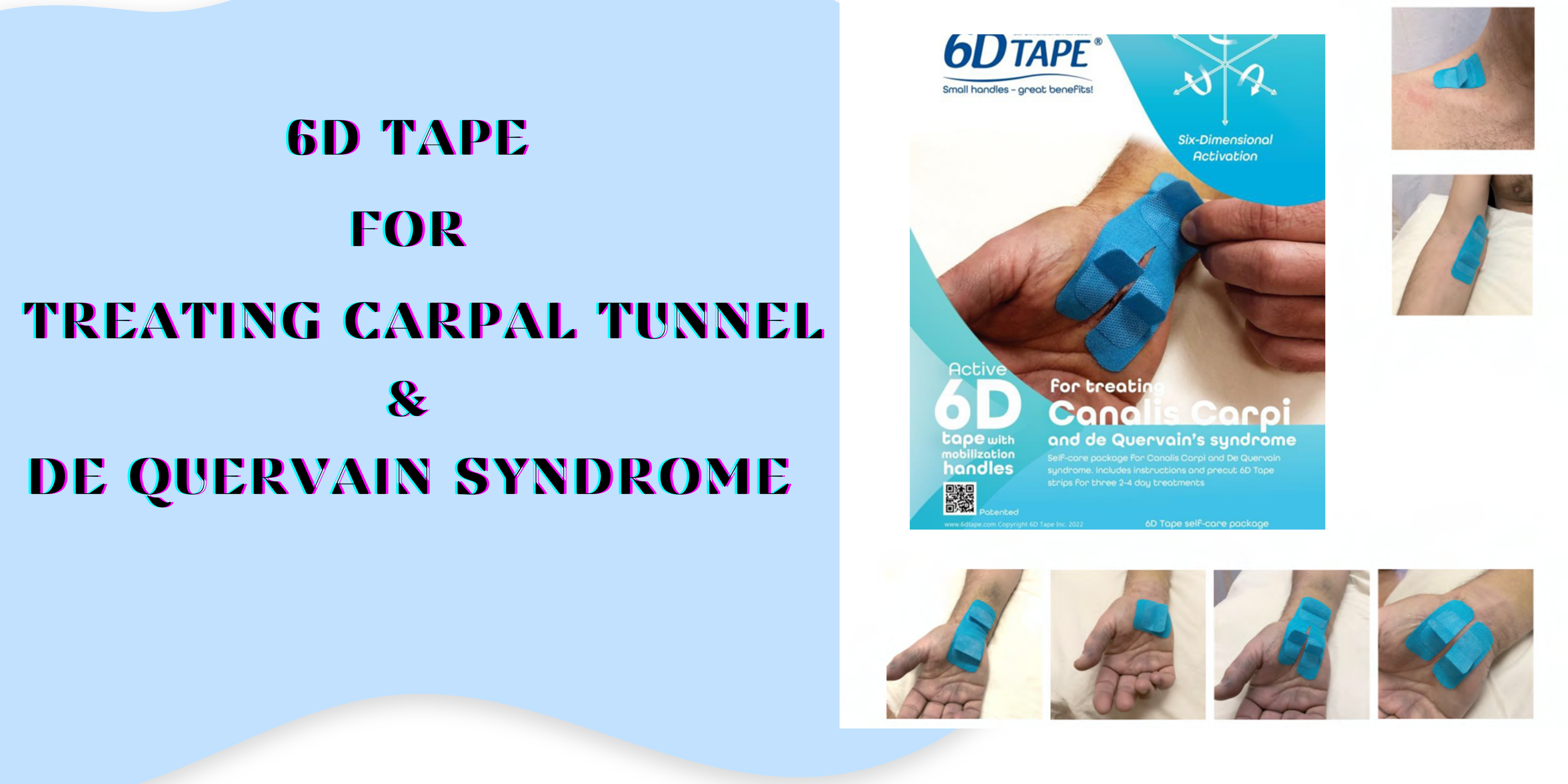
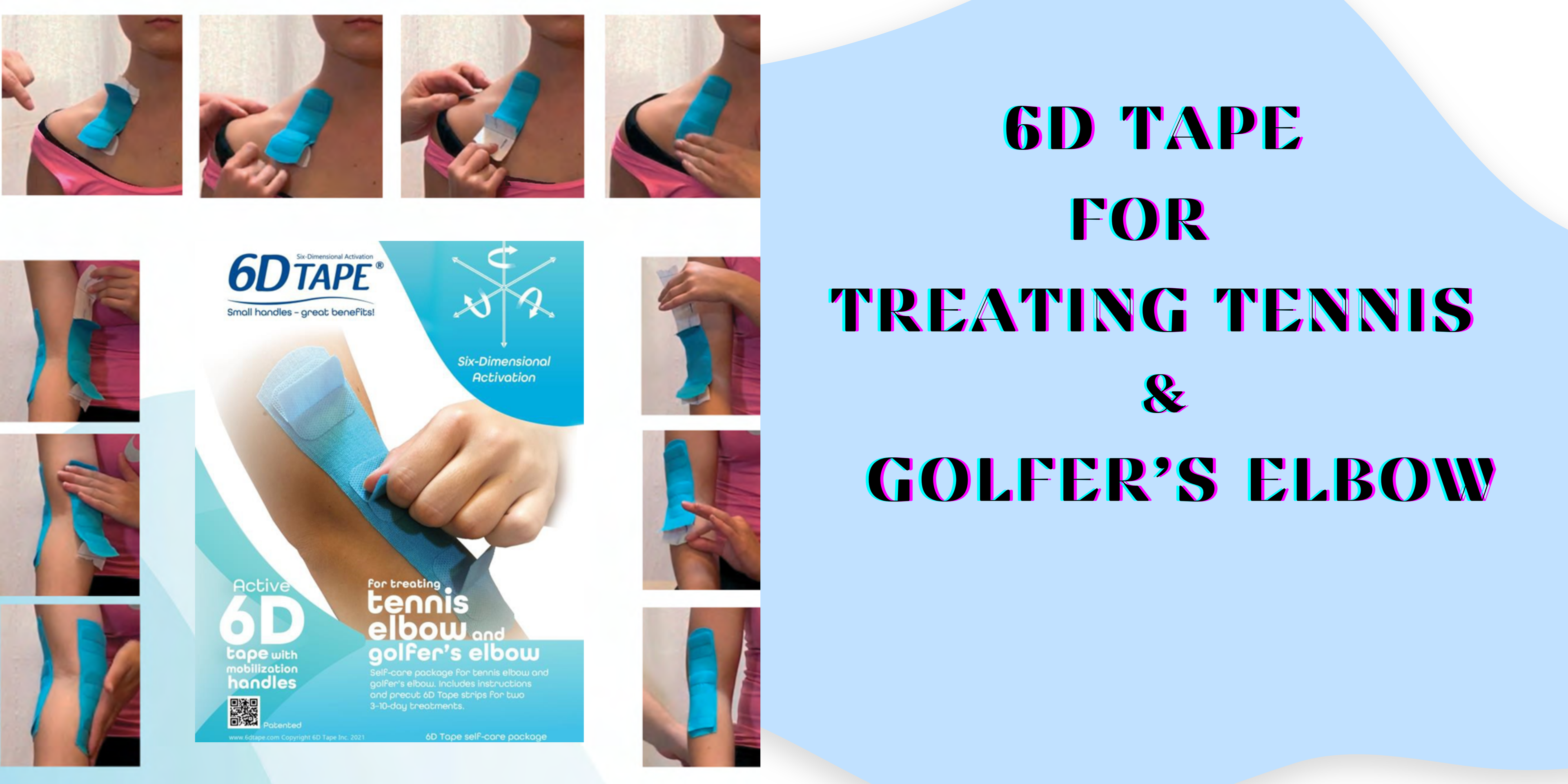
- Chronic RSI sufferers - tennis elbow, carpal tunnel, mouse arm, and golfer's elbow.
- Lymphoedema patients requiring daily self-care management between clinic sessions.
- Anyone with chronic joint stiffness, fascia restriction, or nerve-related pain.
6D Tape Demonstration during an Expo
How to Apply - Clinical Protocol
Step 1 : Skin Preparation
1. Clean and dry the treatment area thoroughly. Remove any oils, lotions, or sweat.
2. For post-surgical areas, ensure the wound is fully closed and cleared by a physician for taping.
Step 2 : Tape Application
3. Peel the backing from the base tape. Apply the base with no stretch to the skin - no pre tension required.
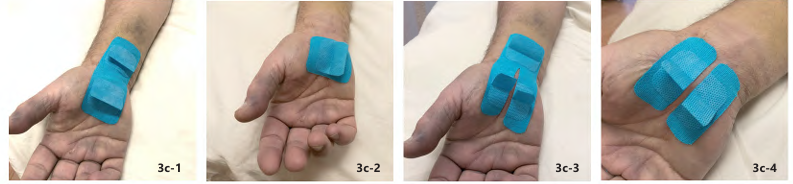
4. Position the Activation Handles over the target treatment area (muscle belly, scar, lymphatic collector zone, or joint line).
5. Rub the tape firmly to activate the heat sensitive adhesive bond.
Step 3 : In-Clinic Active Manipulation
6. Grip the Activation Handle between thumb and forefinger.
7. Apply the clinical technique appropriate to the condition: Z-axis lift for oedema/decompression; X/Y shear for fascial restriction/RSI; torsion for scar/HA optimisation.
8. Perform rhythmic pumping or sustained directional holds as clinically indicated.
Step 4 : At-Home Self-Pump Protocol
9. Instruct patient on 1-2 simple self-pump movements specific to their condition.
10. Protocol: 15-30 seconds of gentle handle-pulls every 2-3 hours while tape is worn.
⚠ Contraindications: Do not apply to open wounds, infected skin, active DVT, or areas of reduced sensation without physician guidance. Always consult a qualified healthcare professional for post-surgical application.